
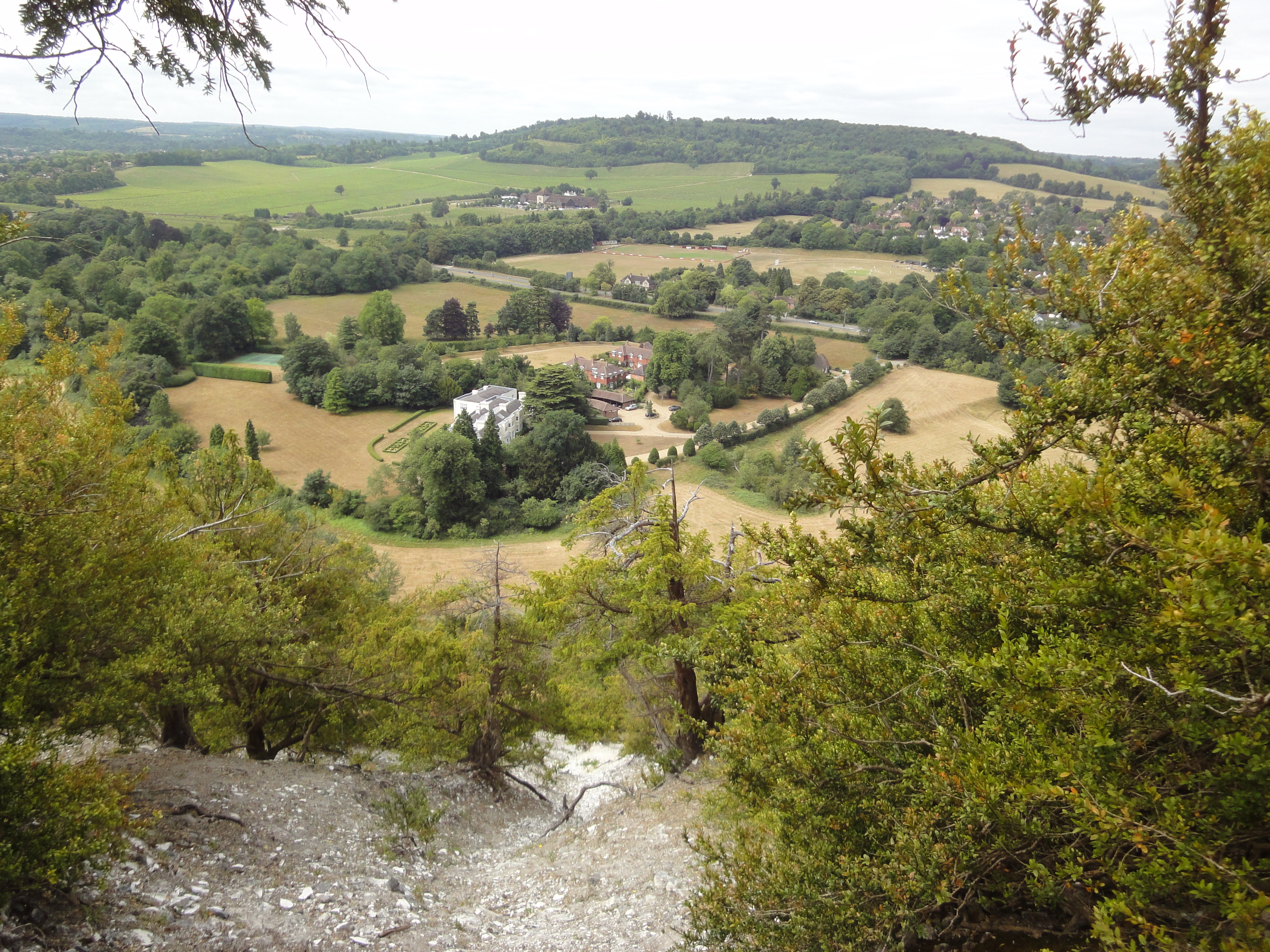
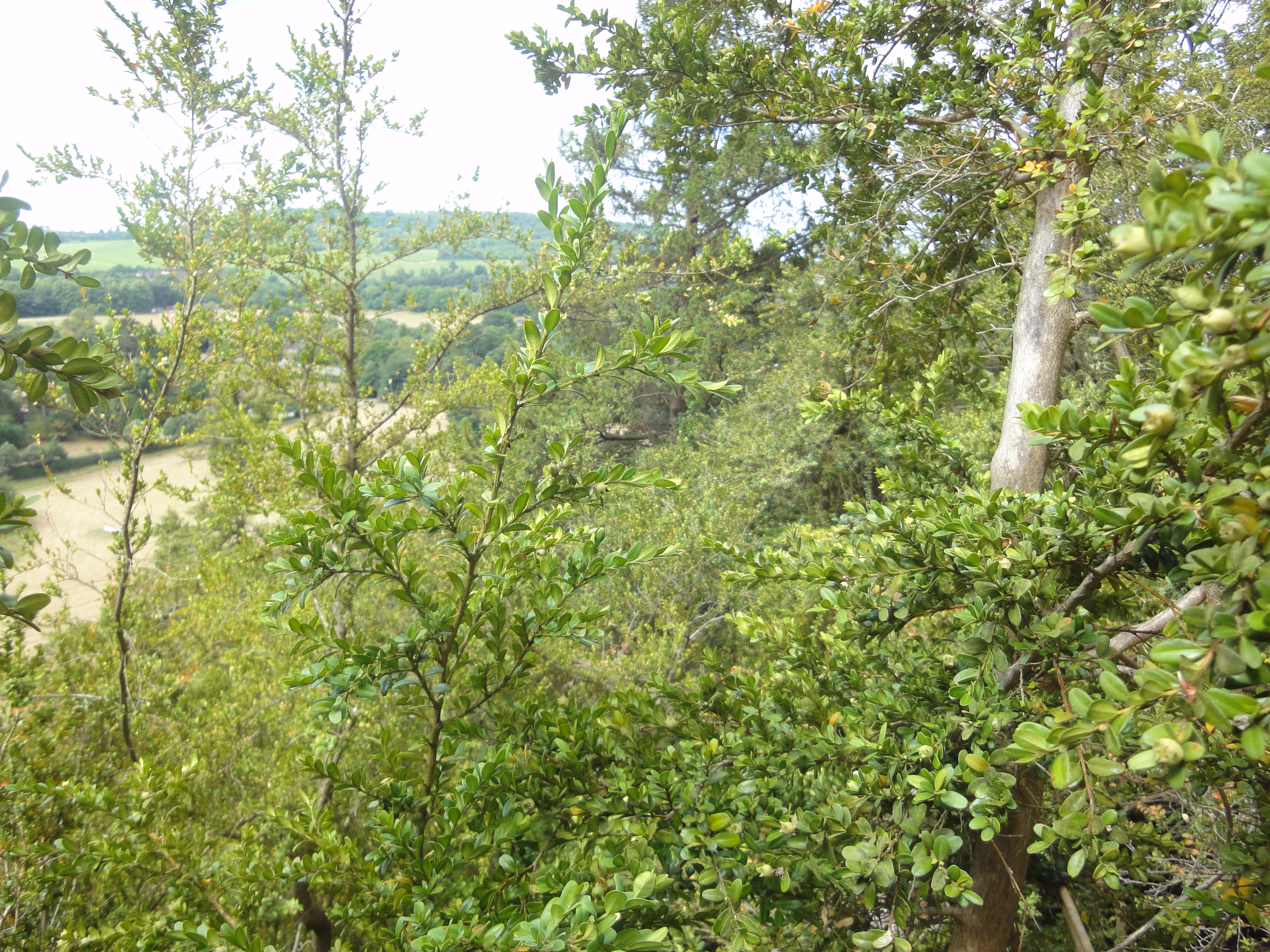
Views from Box Hill
Have you ever wondered what is the origin of the name of Box Hill the iconic centrepiece of the Olympic Road Race and next month’s Prudential Ride?
Box Hill is one of the last vestiges of Box woodland in the UK. The Box tree, Buxus Sempervirens, is the same species as Box hedges in gardens. It is ideal for topiary, with small oval leaves, slow growth, resilience to drought and, as it’s name suggests, it is evergreen.
Box trees are not large, up to 10-15 metres tall. They thrive in the chalky alkaline soil on the top of Box Hill. Their wide shallow root system enables them to cling to the steep slopes of the North Downs and the Chilterns, where another area of Box woodland extends through the Prime Minister’s estate at Chequers. There are probably little more than 20 hectares left in this country.
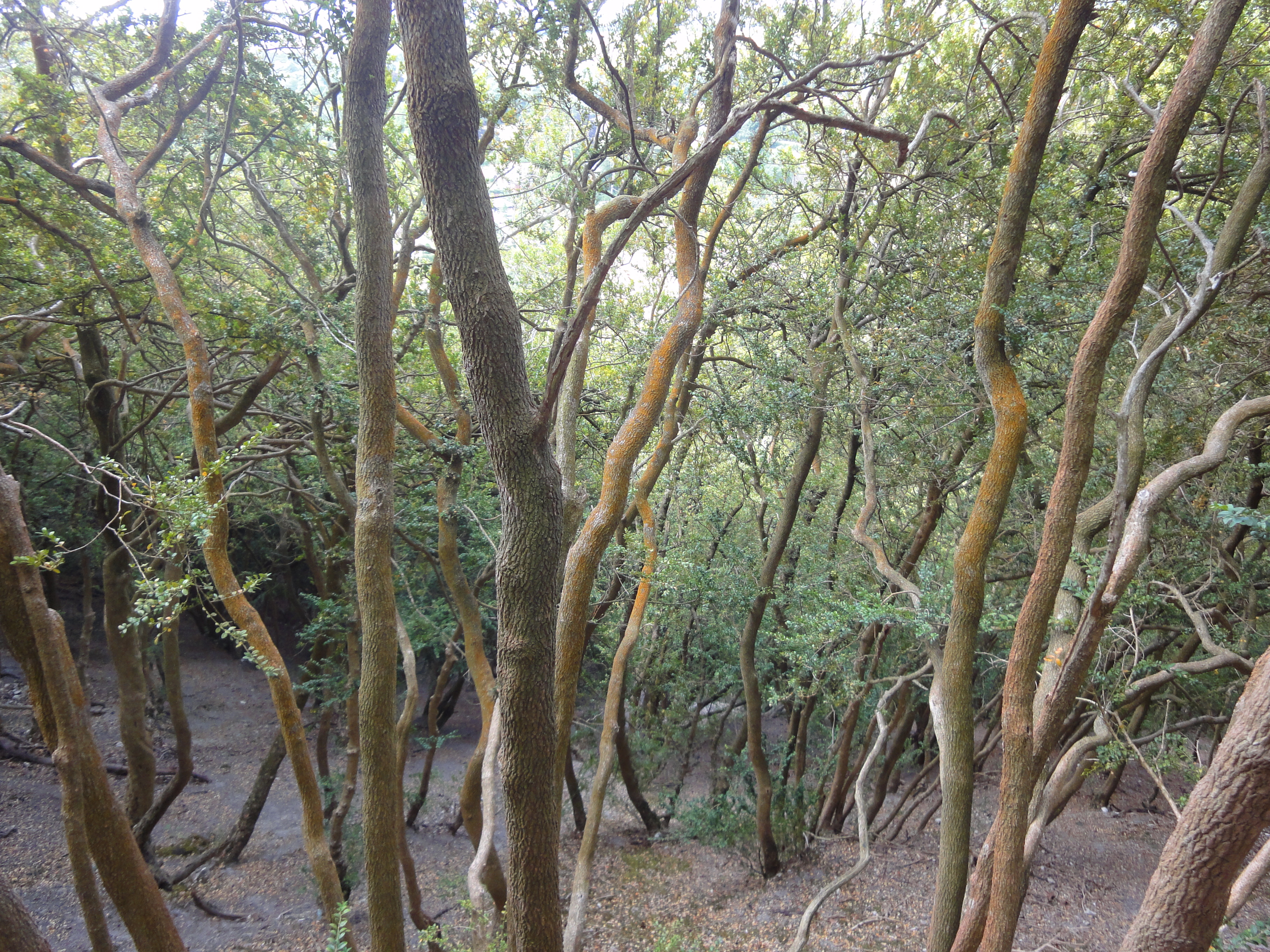
Under the canopy Box trees are bare. Their trunks are like spindles and even after 200 years growing they are little more than 20 centimetres in diameter. But this is enough to cut down for timber. Box is the only true hardwood grown in Northern Europe. This light coloured wood has been used to make small wooden objects that need to be hard, tough and good looking such as chess pieces, tool handles and wheels for the rigging of wooden sailing ships.
My interest in encouraging the replanting of Boxwood is its use in woodwind instruments such as recorders, oboes and clarinets. They have a sharp crisp tone beloved now by modern recorder players. Boxwood is perfect also for baroque clarinets but modern instruments, with many more keys than their earlier brethren, need to be made of the even tougher imported African Blackwood.
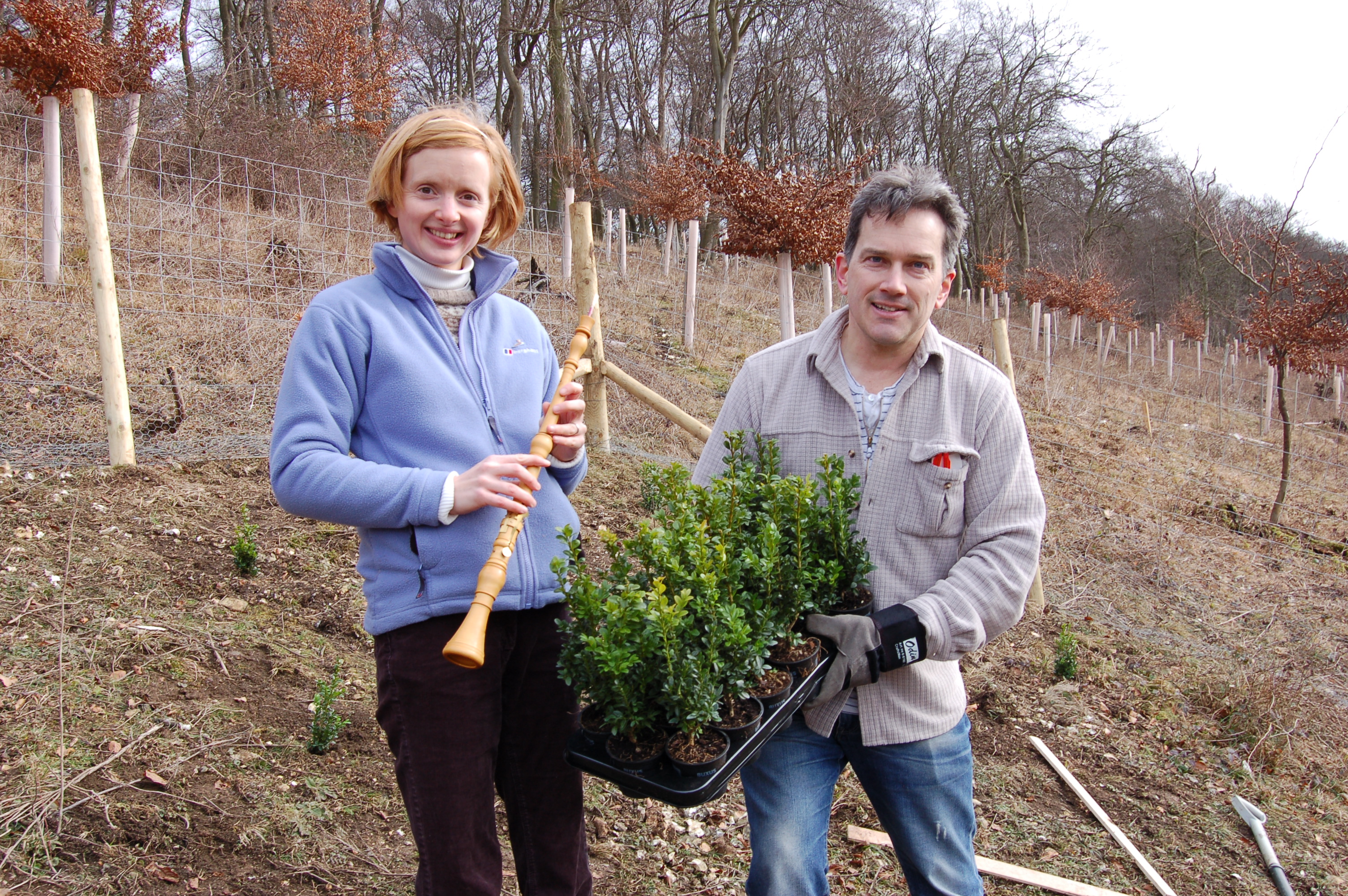
From Box seedling to oboe in two hundred years
The North and South Downs were much more heavily wooded 3000 years ago and then ware cleared during the Iron Age to make way for farming. Many conservationists are trying to protect this Iron Age landscape, partly because it has enabled certain rare species of orchids to survive. But wild Boxwood forest is also endangered and should be encouraged, particularly with the appearance of Box Blight a fungal disease that risks devastating the little Box woodland that we still have.
So next time you cycle up Box Hill, spare a thought that you are cycling in the last of an ancient woodland that has stretched over the surrounding hills of London for many Millennia.

Some newly planted Boxwood
My thanks to Huw Crompton who has the same passion for Boxwood and provided some of the photos

 wildonabike